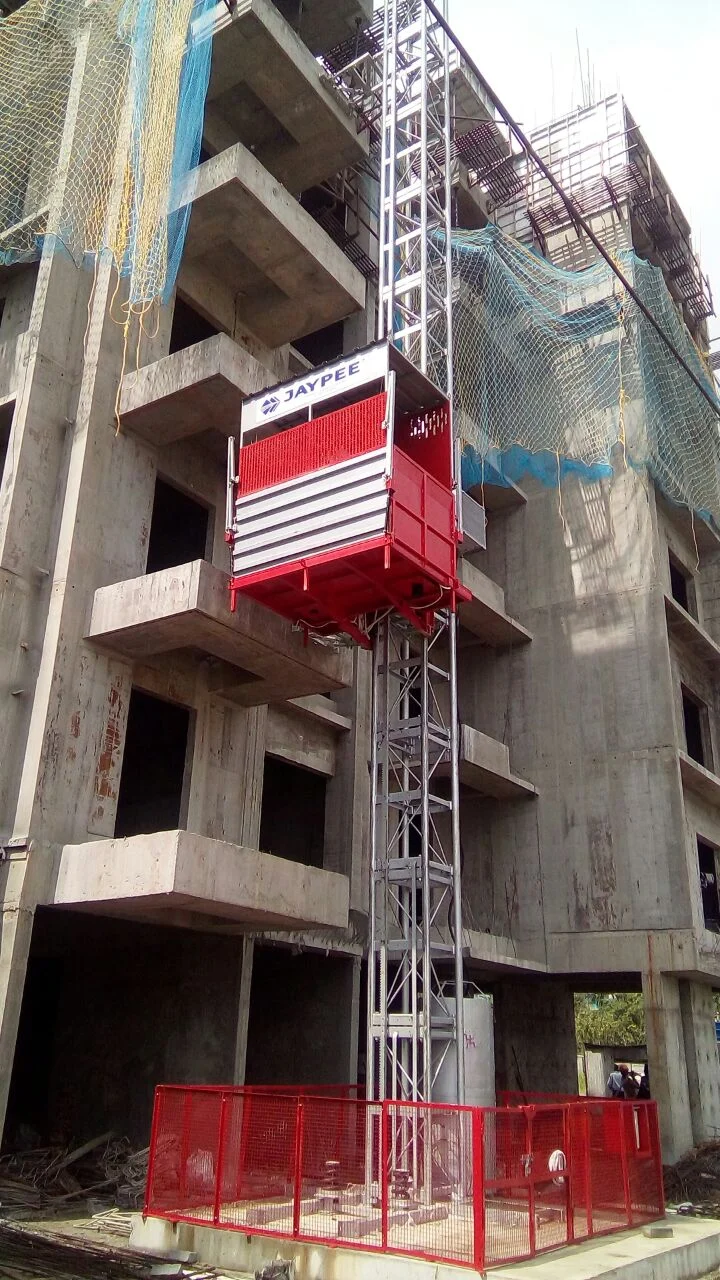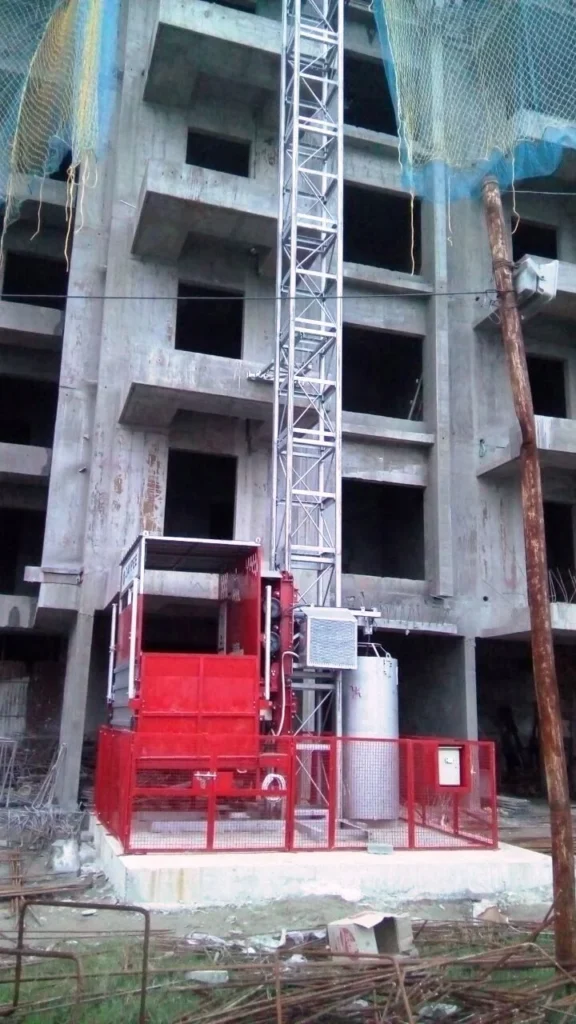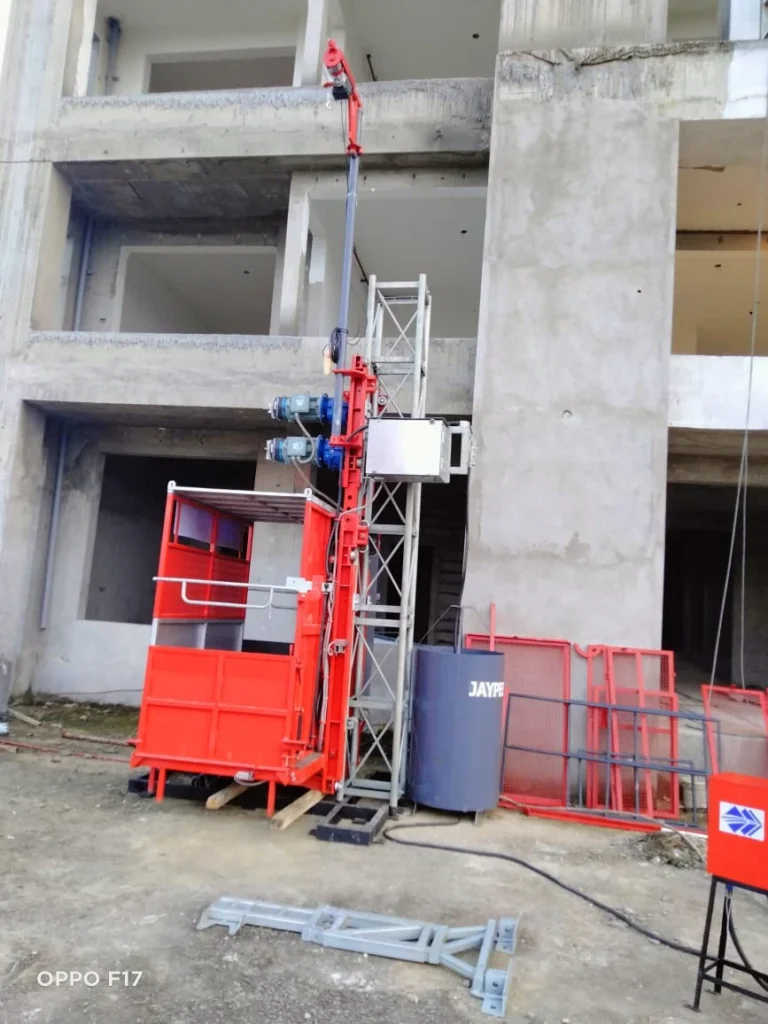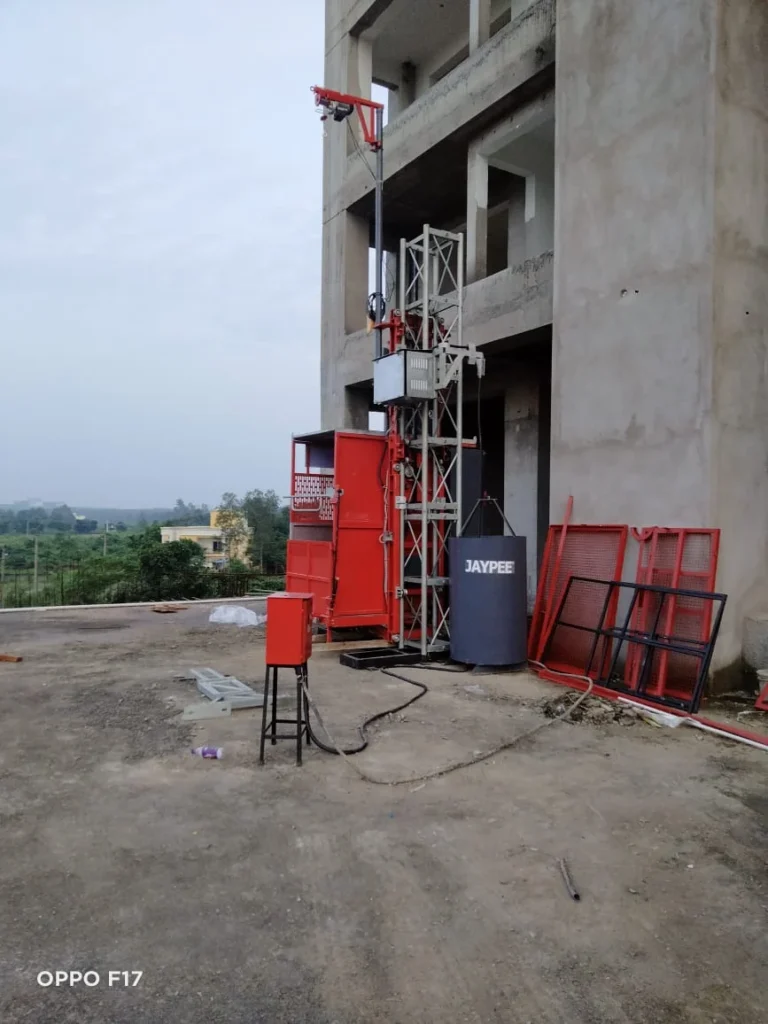


Typical Applications and Industries
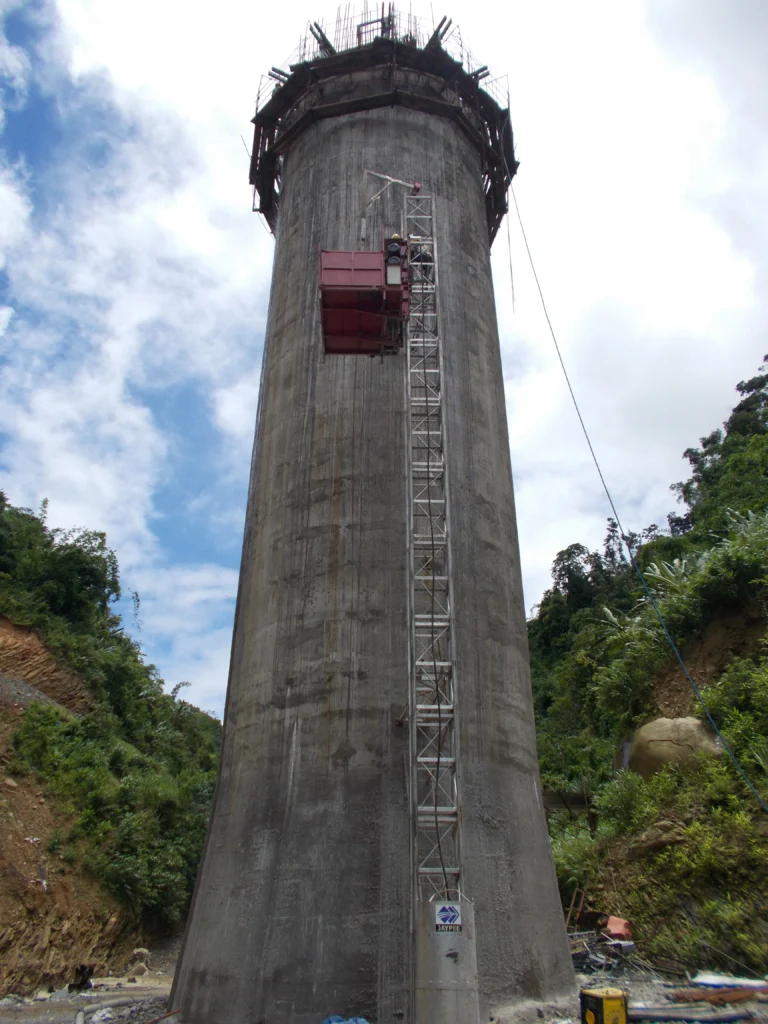
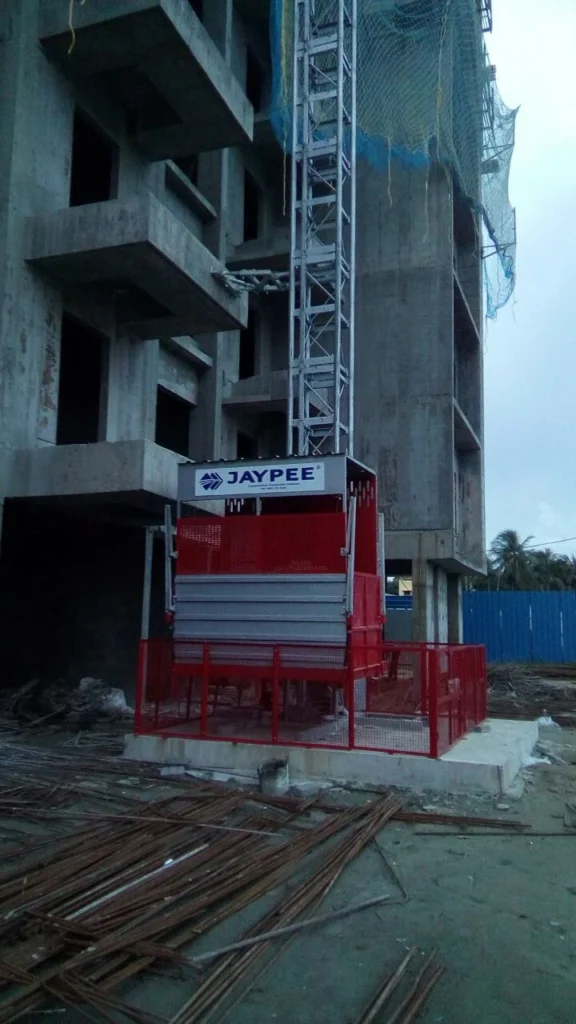
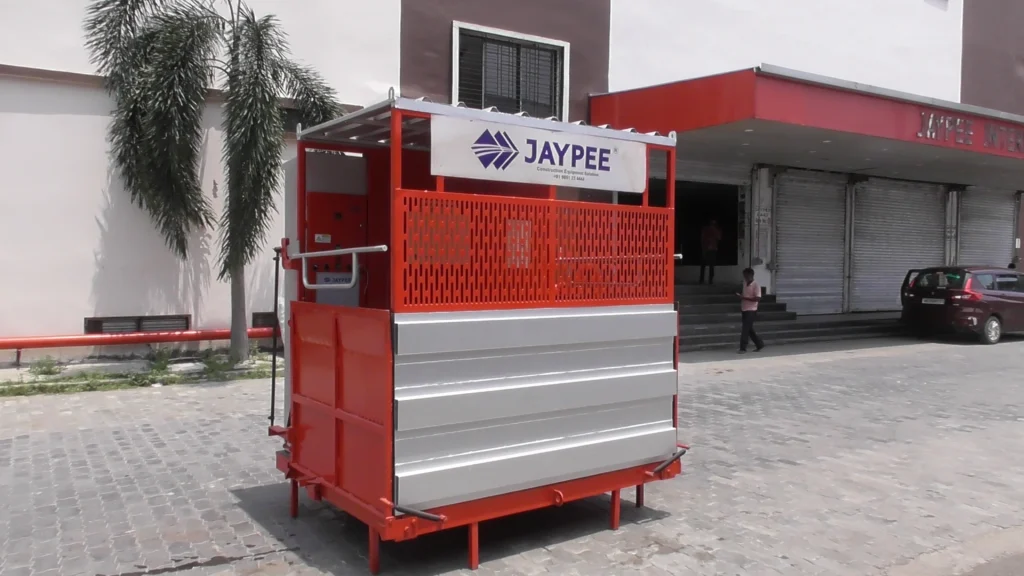
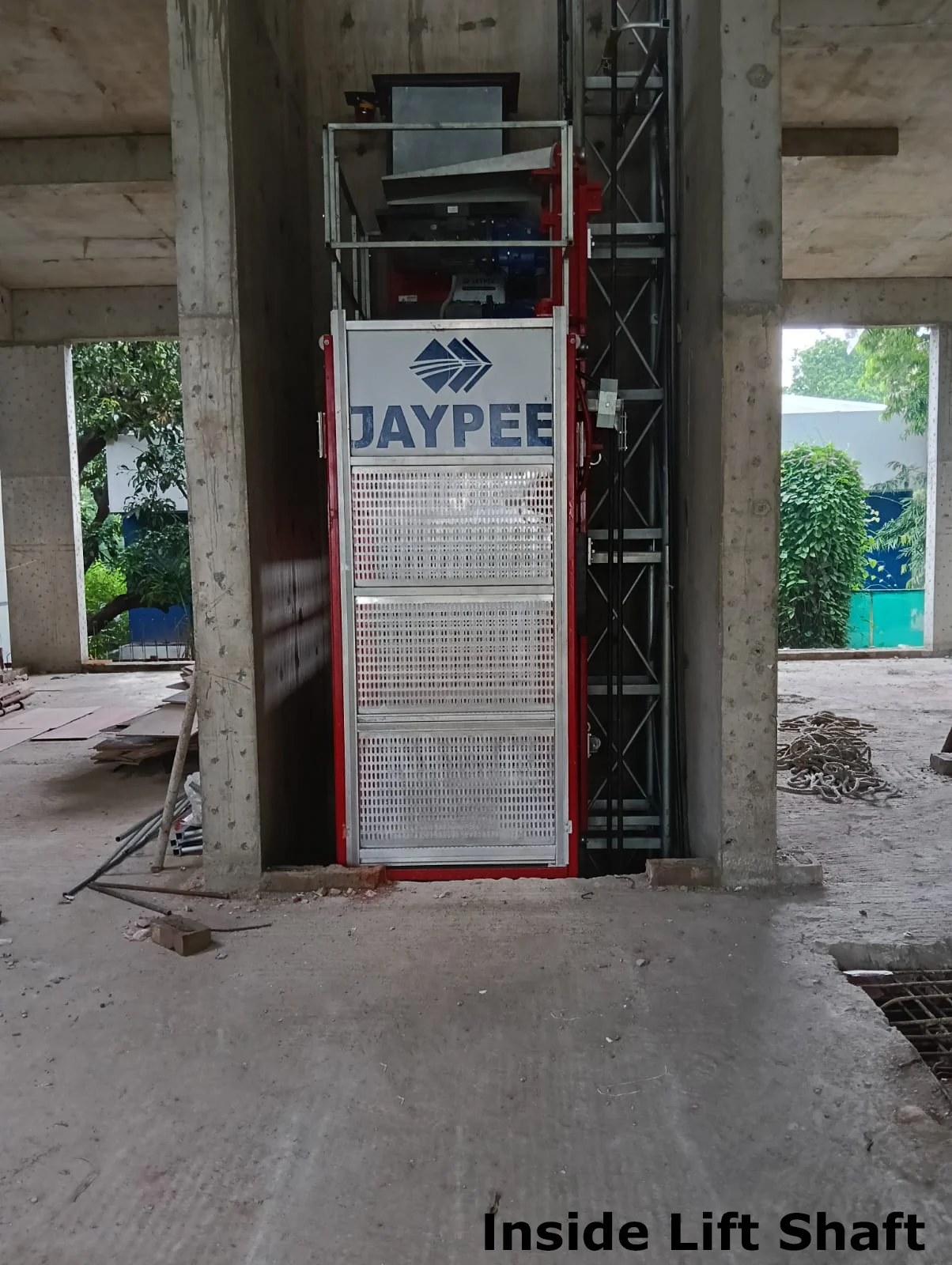
- High-Rise Construction: Efficient transport of building materials, tools, and other equipment to elevated floors.
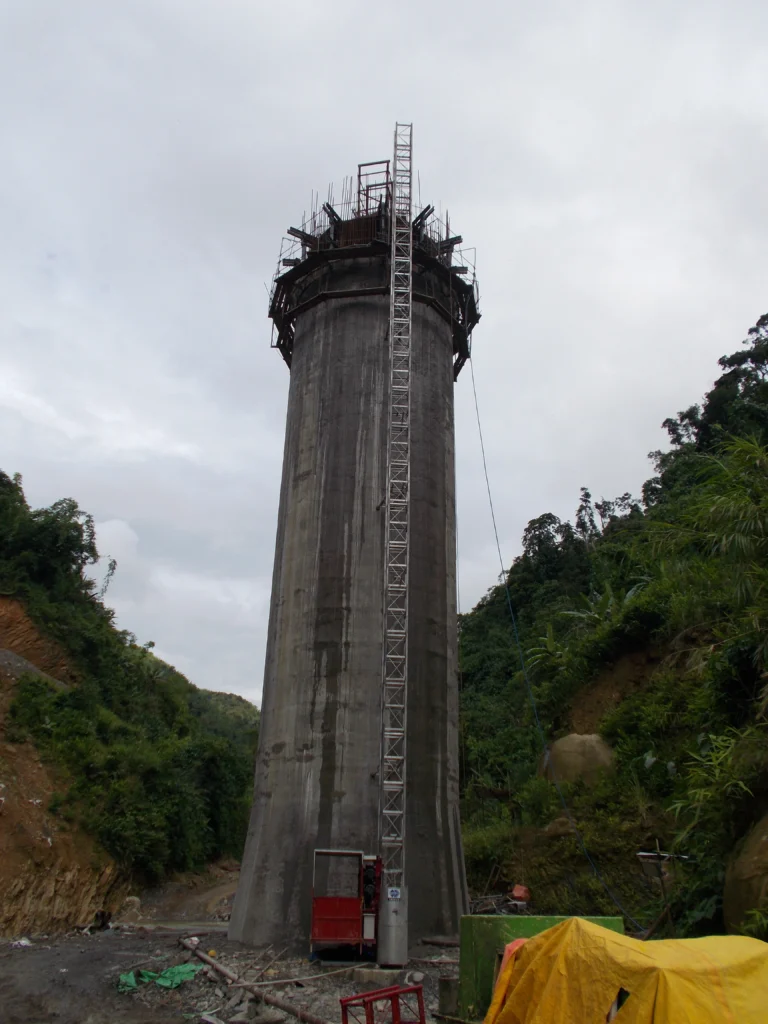
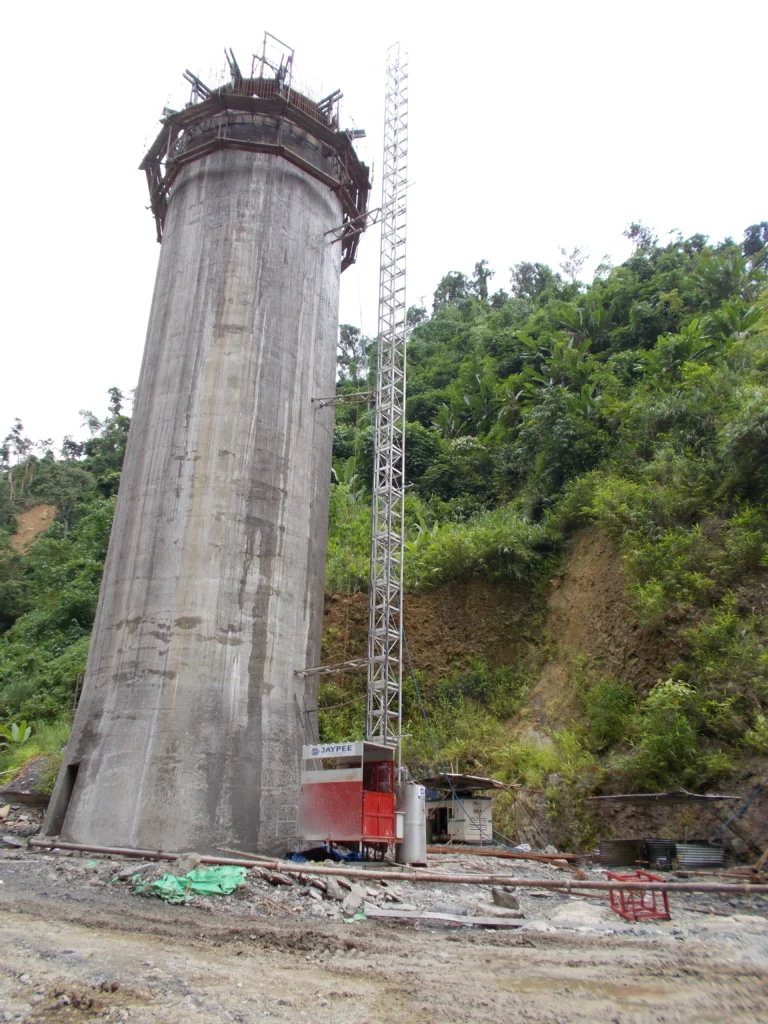
- Industrial Plant Construction: Handling materials in industrial plants during construction or maintenance.
- Bridge & Tunnel Projects: Providing safe vertical access for materials during infrastructure projects.
- Renovation and Retrofit: Ideal for retrofitting or renovating existing buildings requiring vertical transport for materials.
Key Technical Specifications.
Take Technical Specification from Brochures Not Website.
Top Safety Features.
- Electromechanical Brake Motor: Ensures smooth and safe operation.
- Centrifugal Breaking System: Provides an additional layer of safety during operation.
- Limit Switches: Both upper and lower limit switches, along with travel limit switches, ensure that the hoist operates within a safe range.
- Cage Door Electro Mechanical Lock: Ensures that the hoist operates only when the door is properly locked, reducing the risk of accidents.
Installation Best Practices
- Pre-Installation Survey: Check for proper foundation support and electrical supply.
- Mast & Bracing Setup: Ensure the mast is securely installed and braced correctly to handle dynamic forces.
- Electrical Integration: Follow electrical codes for safety and verify the system works under load conditions.
- Load Testing: Perform no-load and load testing to ensure smooth operations before use.
Operation and User Training
- Operator Qualification: Ensure only trained operators handle the hoist.
- Safety Practices: Operators must be familiar with all safety measures, including emergency stop procedures.
- Daily Inspections: Operators should perform visual inspections before each use, checking the mast, cables, and control systems for wear or damage.
Maintenance Schedule & Troubleshooting Guide
- Daily Checks: Visual inspection of the hoist, including brakes, door locks, and emergency systems.
- Weekly Maintenance: Lubrication of moving parts and verification of load cells and limit switches.
- Monthly Inspections: Check electrical connections and motor performance.
- Common Issues: If there’s unusual noise, misalignment of the rack and pinion system, or failure of the emergency brakes, these need immediate attention from a professional technician.
Compliance, Testing, and Certification.
- Compliance with International Standards: Ensure the hoist meets all relevant safety standards for construction equipment.
- Regular Testing: Periodic tests by third-party inspectors for safety certifications.
- Documentation: Maintain inspection logs and training certificates as required by local regulations.